
UI vs UX: Understanding the Difference and Why Both Matter
UI vs UX: Understanding the Difference and Why Both Matter
UI vs UX: Understanding the Difference and Why Both Matter
In the world of design, UI (User Interface) and UX (User Experience) are often used interchangeably. While they are closely related and complement each other, they are distinct disciplines that play critical roles in creating successful digital products. Let’s dive into what makes UI and UX different, how they work together, and why understanding both is essential for designing intuitive and delightful experiences.
What is UX Design?
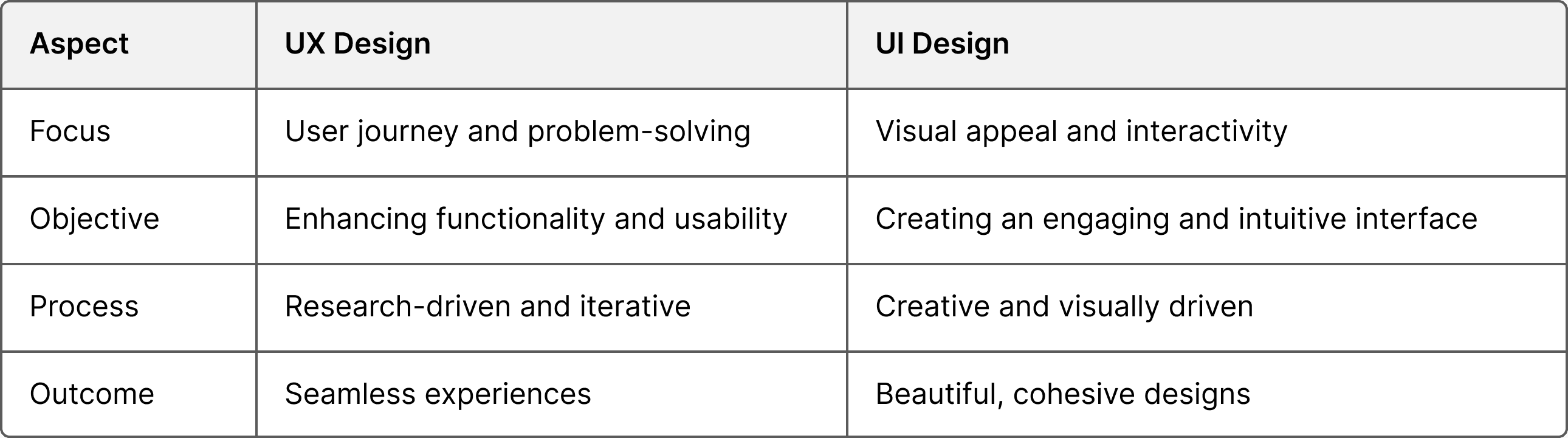
At its core, UX design focuses on the user’s journey and how they interact with a product. It’s about solving problems and ensuring users can achieve their goals seamlessly.
Key Elements of UX Design:
User Research: Understanding the needs, behaviors, and pain points of the target audience.
Information Architecture (IA): Organizing content in a logical structure.
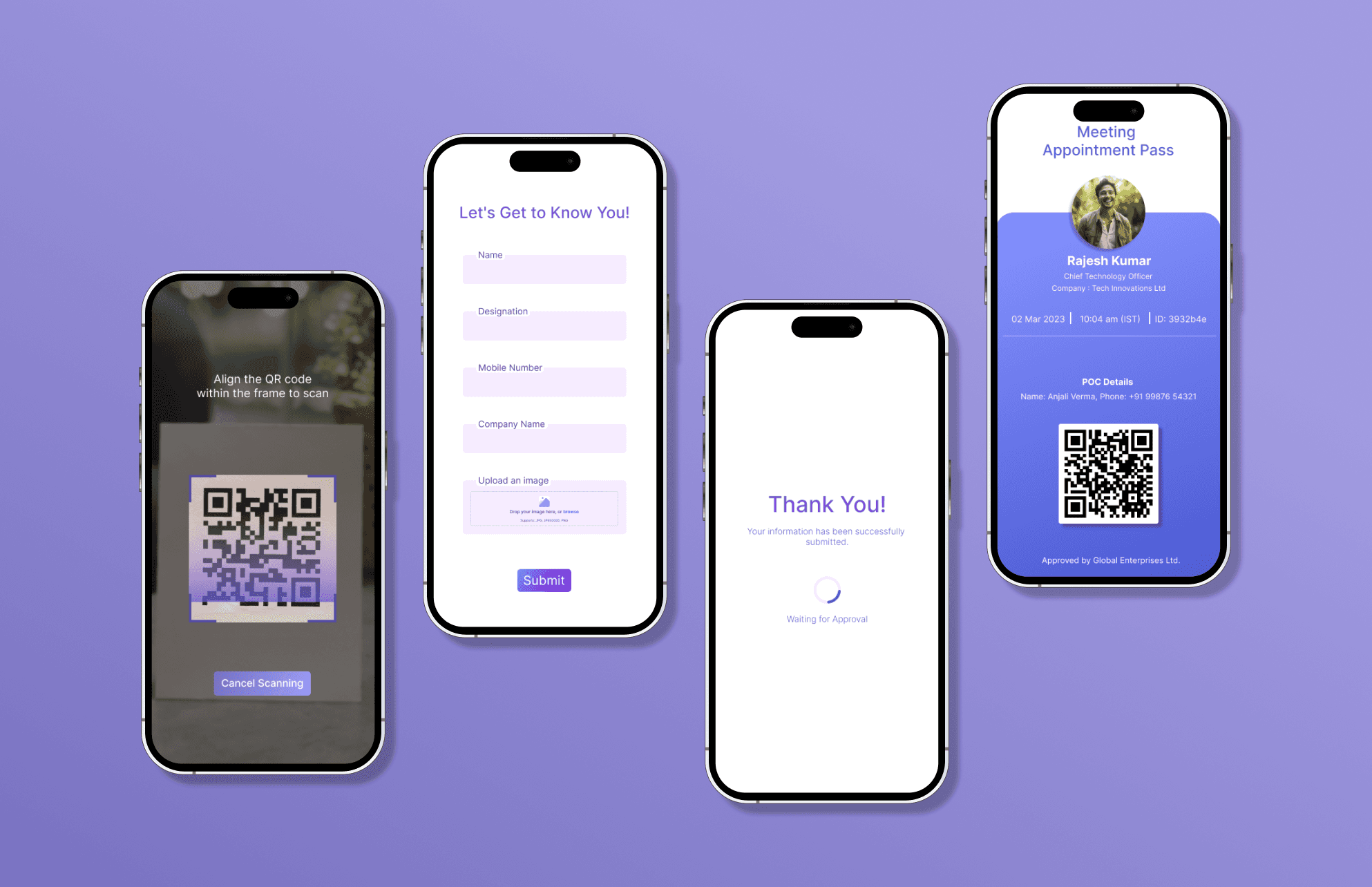
Wireframing & Prototyping: Creating low-fidelity and high-fidelity layouts to map user flows.
Usability Testing: Gathering feedback to refine and improve the design.
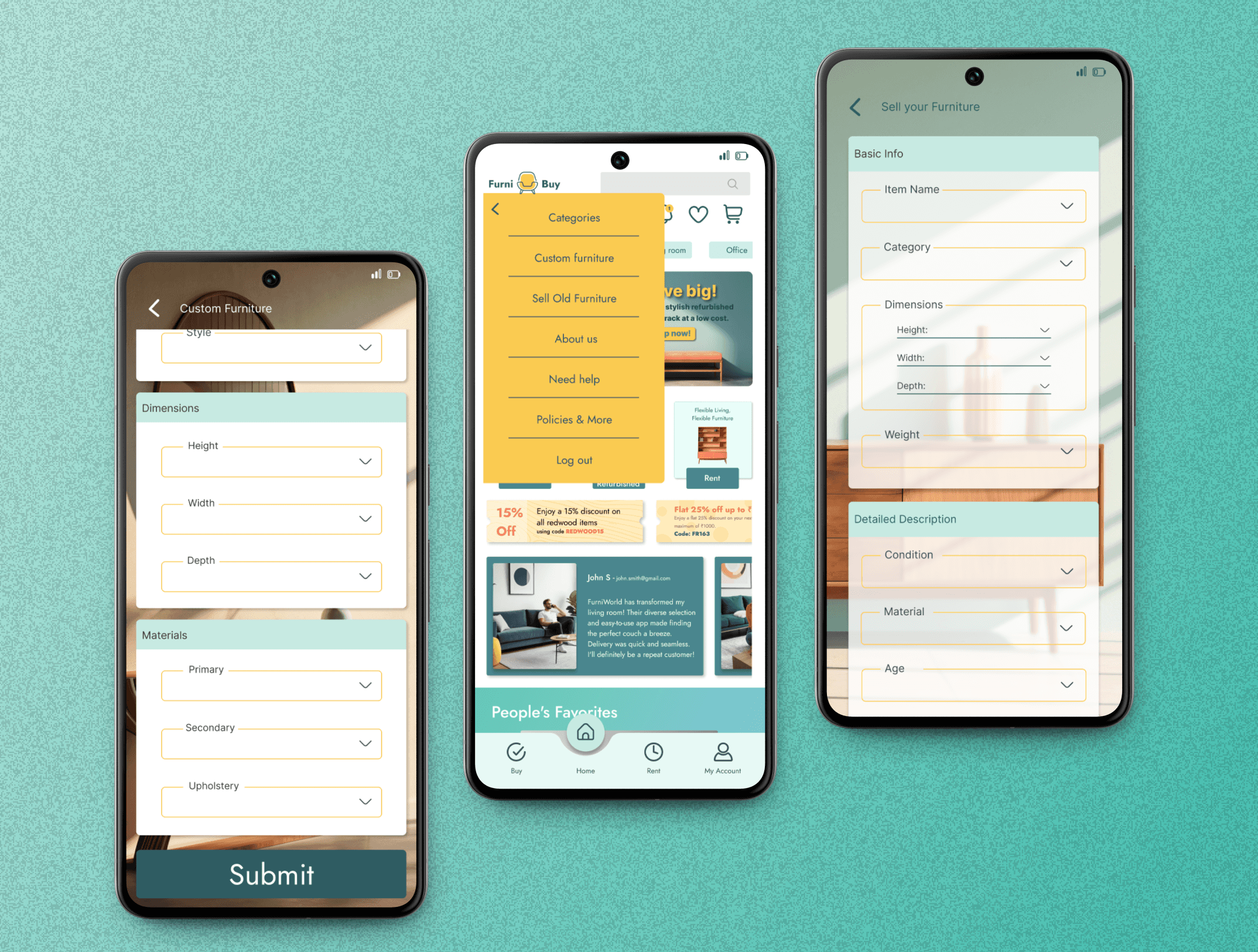
Imagine you're shopping on an e-commerce website. If you can find the product you need, navigate the checkout process easily, and feel satisfied with the experience, that’s good UX design at work.
What is UI Design?
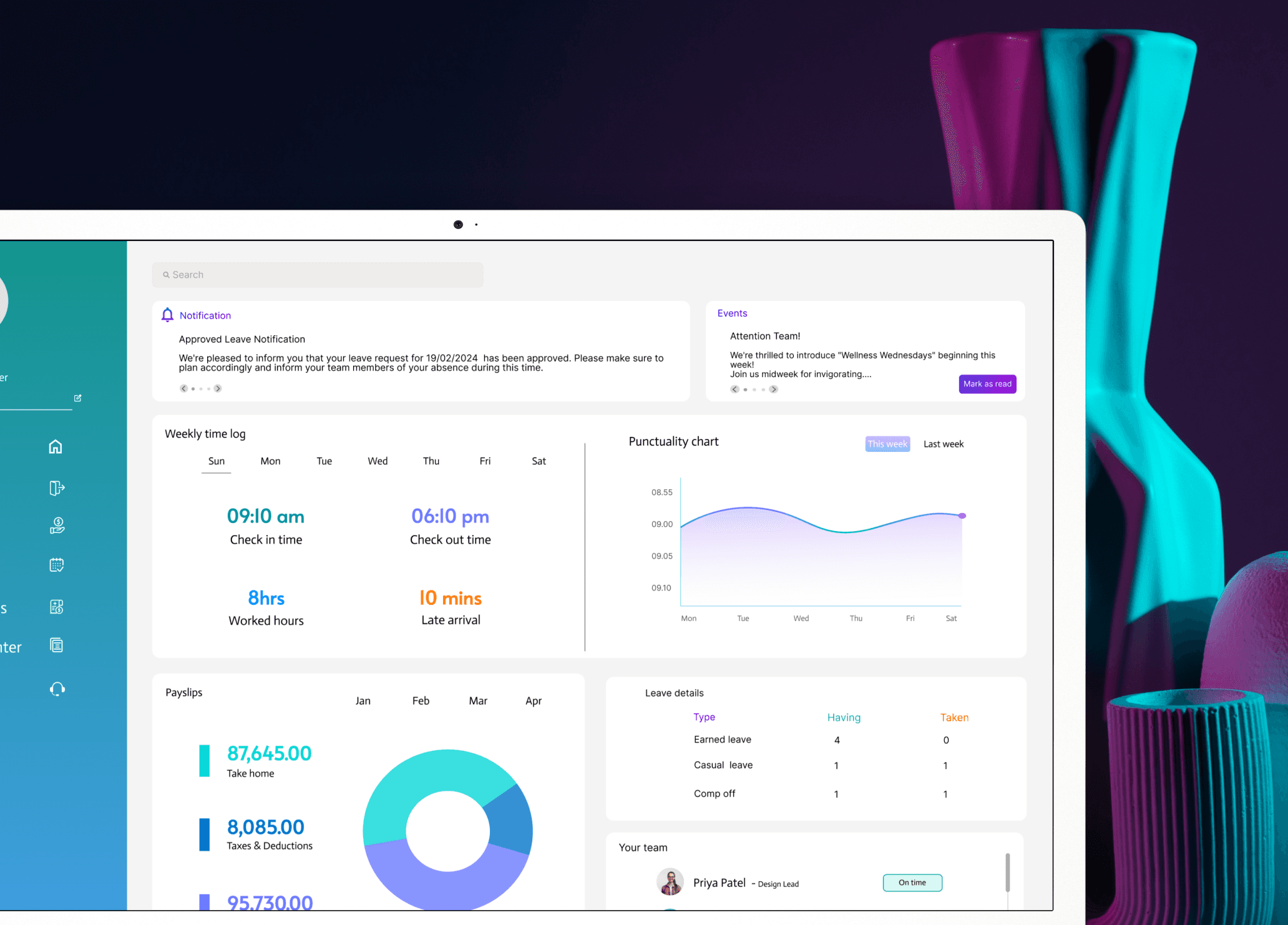
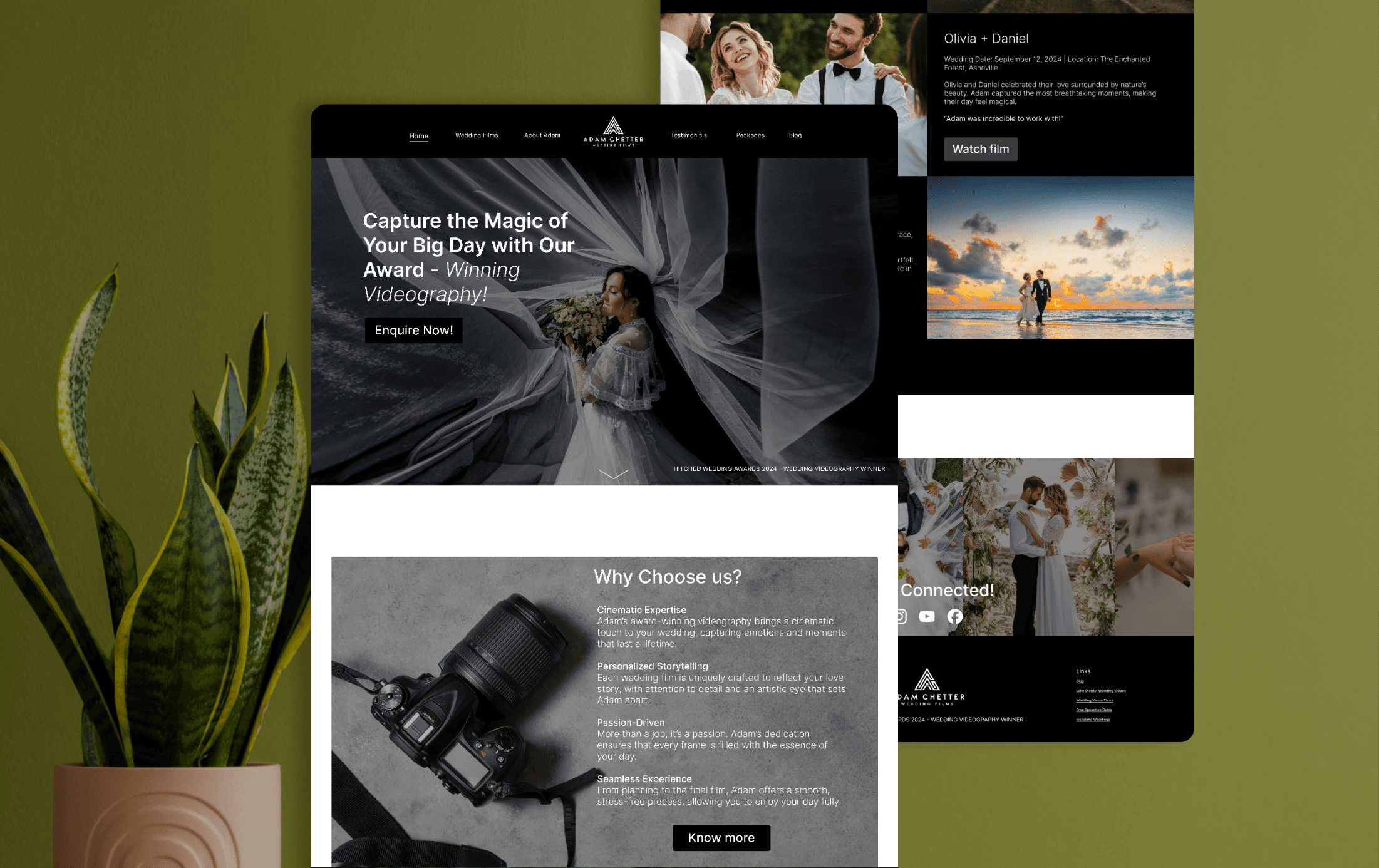
UI design is all about the visual touchpoints that users interact with. It’s the bridge between the user and the functionality of a product.
Key Elements of UI Design:
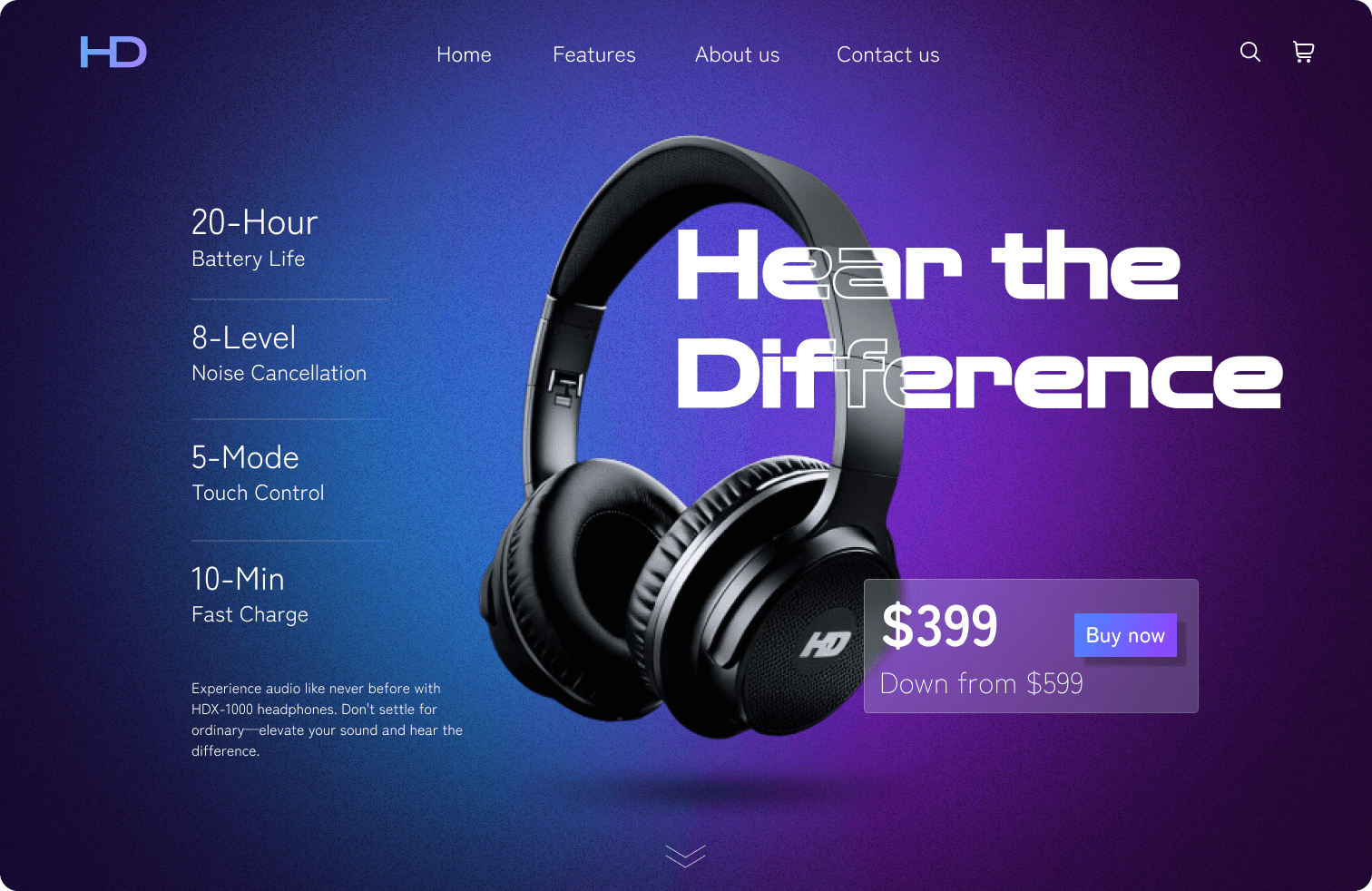
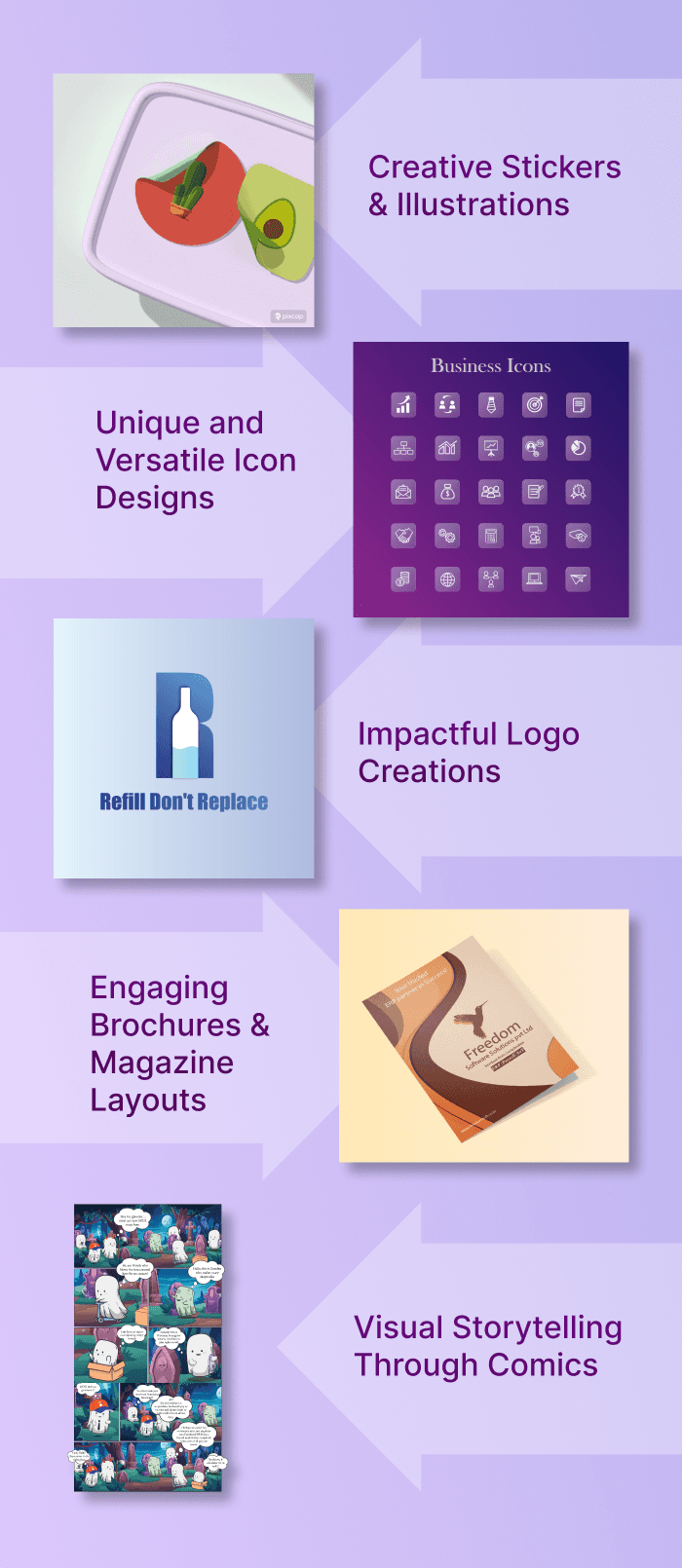
Visual Design: Choosing the right colors, typography, and imagery.
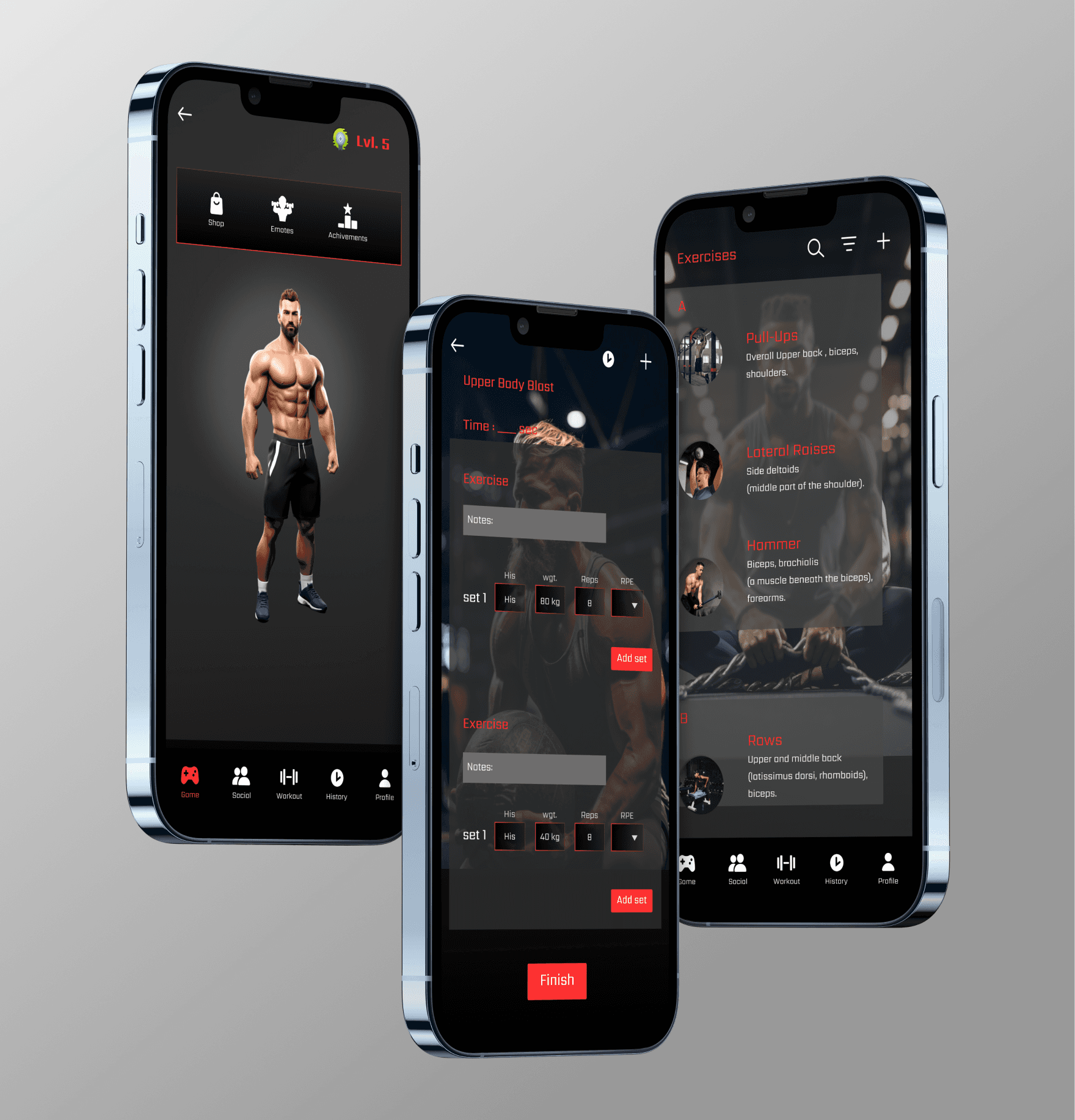
Interactive Design: Crafting buttons, sliders, and animations for engagement.
Consistency: Ensuring elements like icons and menus follow a unified design system.
Responsiveness: Adapting layouts to various devices and screen sizes.
Using the same e-commerce example, UI design is what makes the product listings visually appealing, the buttons clickable, and the overall layout aesthetically pleasing.
In the world of design, UI (User Interface) and UX (User Experience) are often used interchangeably. While they are closely related and complement each other, they are distinct disciplines that play critical roles in creating successful digital products. Let’s dive into what makes UI and UX different, how they work together, and why understanding both is essential for designing intuitive and delightful experiences.
What is UX Design?
At its core, UX design focuses on the user’s journey and how they interact with a product. It’s about solving problems and ensuring users can achieve their goals seamlessly.
Key Elements of UX Design:
User Research: Understanding the needs, behaviors, and pain points of the target audience.
Information Architecture (IA): Organizing content in a logical structure.
Wireframing & Prototyping: Creating low-fidelity and high-fidelity layouts to map user flows.
Usability Testing: Gathering feedback to refine and improve the design.
Imagine you're shopping on an e-commerce website. If you can find the product you need, navigate the checkout process easily, and feel satisfied with the experience, that’s good UX design at work.
What is UI Design?
UI design is all about the visual touchpoints that users interact with. It’s the bridge between the user and the functionality of a product.
Key Elements of UI Design:
Visual Design: Choosing the right colors, typography, and imagery.
Interactive Design: Crafting buttons, sliders, and animations for engagement.
Consistency: Ensuring elements like icons and menus follow a unified design system.
Responsiveness: Adapting layouts to various devices and screen sizes.
Using the same e-commerce example, UI design is what makes the product listings visually appealing, the buttons clickable, and the overall layout aesthetically pleasing.
A simple analogy is thinking of a house:
UX design is the blueprint, focusing on structure, functionality, and flow.
UI design is the interior design, focusing on aesthetics and the finishing touches.
Why Both Matter
Having great UI without solid UX is like decorating a house that’s poorly built—it may look good, but it won’t be livable. Conversely, excellent UX with poor UI feels functional but uninspiring.
The Magic of Collaboration:
When UX and UI come together seamlessly:
Usability meets beauty. Users enjoy navigating a product that looks great and works flawlessly.
Customer satisfaction increases. A great design leads to positive reviews, repeat customers, and higher conversions.
Competitive edge. Companies that invest in both stand out in crowded markets.
Conclusion
UI and UX are two sides of the same coin, each playing a vital role in creating exceptional digital products. Understanding their differences—and how they work in harmony—is crucial for anyone involved in design.
For aspiring designers, mastering both fields opens doors to endless possibilities in the ever-growing tech landscape. Whether you’re starting with wireframes or choosing the perfect shade of blue for a button, remember: great design begins and ends with the user in mind.
Ezhilnila - UI/UX Designer
Let’s craft user-friendly interfaces that captivate and convert!

Nicey © 2024. Designed by Goran Babarogic
Ezhilnila - UI/UX Designer
Let’s craft user-friendly interfaces that captivate and convert!
Nicey © 2024. Designed by Goran Babarogic
UI vs UX: Understanding the Difference and Why Both Matter
In the world of design, UI (User Interface) and UX (User Experience) are often used interchangeably. While they are closely related and complement each other, they are distinct disciplines that play critical roles in creating successful digital products. Let’s dive into what makes UI and UX different, how they work together, and why understanding both is essential for designing intuitive and delightful experiences.
What is UX Design?
At its core, UX design focuses on the user’s journey and how they interact with a product. It’s about solving problems and ensuring users can achieve their goals seamlessly.
Key Elements of UX Design:
User Research: Understanding the needs, behaviors, and pain points of the target audience.
Information Architecture (IA): Organizing content in a logical structure.
Wireframing & Prototyping: Creating low-fidelity and high-fidelity layouts to map user flows.
Usability Testing: Gathering feedback to refine and improve the design.
Imagine you're shopping on an e-commerce website. If you can find the product you need, navigate the checkout process easily, and feel satisfied with the experience, that’s good UX design at work.
What is UI Design?
UI design is all about the visual touchpoints that users interact with. It’s the bridge between the user and the functionality of a product.
Key Elements of UI Design:
Visual Design: Choosing the right colors, typography, and imagery.
Interactive Design: Crafting buttons, sliders, and animations for engagement.
Consistency: Ensuring elements like icons and menus follow a unified design system.
Responsiveness: Adapting layouts to various devices and screen sizes.
Using the same e-commerce example, UI design is what makes the product listings visually appealing, the buttons clickable, and the overall layout aesthetically pleasing.
A simple analogy is thinking of a house:
UX design is the blueprint, focusing on structure, functionality, and flow.
UI design is the interior design, focusing on aesthetics and the finishing touches.
Why Both Matter
Having great UI without solid UX is like decorating a house that’s poorly built—it may look good, but it won’t be livable. Conversely, excellent UX with poor UI feels functional but uninspiring.
The Magic of Collaboration:
When UX and UI come together seamlessly:
Usability meets beauty. Users enjoy navigating a product that looks great and works flawlessly.
Customer satisfaction increases. A great design leads to positive reviews, repeat customers, and higher conversions.
Competitive edge. Companies that invest in both stand out in crowded markets.
Conclusion
UI and UX are two sides of the same coin, each playing a vital role in creating exceptional digital products. Understanding their differences—and how they work in harmony—is crucial for anyone involved in design.
For aspiring designers, mastering both fields opens doors to endless possibilities in the ever-growing tech landscape. Whether you’re starting with wireframes or choosing the perfect shade of blue for a button, remember: great design begins and ends with the user in mind.
Ezhilnila - UI/UX Designer
Let’s craft user-friendly interfaces that captivate and convert!
Nicey © 2024. Designed by Goran Babarogic
Ezhilnila - UI/UX Designer
Let’s craft user-friendly interfaces that captivate and convert!
Nicey © 2024. Designed by Goran Babarogic